

Weekly Gut Health News: Sleep, Happiness & Gut Protection
Kevin GillespieIf you've been following along with the gut health conversation lately, you'll know it's gone way beyond "eat your yoghurt and you'll be fine."
The science is moving fast. Like, properly fast. And this week? Some absolute bangers dropped in the research world that we reckon you need to know about.
Welcome to the first edition of our Weekly Gut Health Roundup. Every week, we're going to cut through the noise and bring you the stuff that actually matters. No fluff. No nonsense. Just the research, the data, and the practical takeaways you can use starting today.
This week covers January 19th to 26th, 2026, and honestly, the findings are pretty wild. We're talking about how your gut bacteria might be the reason you can't sleep, why 90% of your happy hormones come from your belly, and a food combo that could be the ultimate immune booster.
Grab a cuppa. Let's dive in.
1. Your Gut Might Be Why You're Not Sleeping
Here's the thing. You've tried the fancy pillow. The blackout blinds. The meditation apps. You've even stopped scrolling at midnight (okay, maybe not). But you're still lying there at 2am wondering why your brain won't switch off.
What if the problem isn't in your head? What if it's in your gut?
A study released this week by the Global Institute of Microbiome Research has identified something called 3-Indolepropionic acid. Bit of a mouthful, I know. But stay with me, because this tiny bacterial metabolite could be a game-changer for anyone struggling with sleep.
The Data
Participants with higher levels of this metabolite fell asleep 18% faster and spent 25% more time in deep REM sleep. That's the good stuff. The restorative, memory-consolidating, wake-up-feeling-human kind of sleep.
And where does this magical compound come from? Your gut bacteria. Specifically, when they're fed the right kind of fibre.
Why This Matters
Your gut microbiome operates on a rhythm similar to your circadian rhythm. When you don't sleep well, your gut bacteria don't get their recovery time either. It becomes a vicious cycle. Poor sleep messes with your gut, and a messed-up gut makes it harder to sleep.
Research shows that even just two nights of poor sleep can alter your gut microbiome composition. That's bananas when you think about it. Two nights.
The Takeaway: Feeding your gut bugs the right fibre isn't just about digestion anymore. It's your new favourite sleep aid. Think prebiotic-rich foods, fermented drinks, and cutting back on the processed stuff that throws everything out of whack.
2. The Serotonin Story: Why Your Gut Controls Your Mood
Alright, this one's going to blow your mind a bit.
You know serotonin, right? The "happy hormone" that everyone bangs on about. The one that regulates your mood, your appetite, and yes, your sleep too.
Here's where it gets interesting: 90 to 95% of your serotonin is produced in your gut. Not your brain. Your gut.
Let that sink in for a second.
The New Research
New clinical trials published in Nature Neuroscience this month show that specific strains of Lactobacillus and Bifidobacterium act as "biochemical bridges" between your gut and your brain.
These clever little bacteria increase the expression of TPH1, the enzyme responsible for converting tryptophan into serotonin within your gut lining. Basically, they help your body make more happy hormones.
The Results
The trial showed a documented 15% improvement in mood stability over just a 21-day period when participants optimised these bacterial strains through diet and supplementation.
Three weeks. That's it. Three weeks of looking after your gut and people felt measurably better.
The Gut-Brain Axis
This all comes down to something called the gut-brain axis. Your gut and brain are connected through the vagus nerve and the enteric nervous system. They're constantly chatting to each other. When your gut is unhappy, it tells your brain. And your brain listens.
Imbalances in gut bacteria and gut inflammation have been linked to low mood, anxiety, and depression. It's not just about physical health anymore. Your mental wellbeing is literally tied to what's happening in your belly.
The Takeaway: If you want to work on improving gut health, you're not just helping your digestion. You're potentially supporting your mental health too. Those beneficial strains found in fermented foods and drinks? They might just be doing more heavy lifting than we ever realised.
3. The "Leaky Gut" Fix: EVOO and Kimchi to the Rescue
Right, let's talk about something that sounds a bit gross but is incredibly important: leaky gut.
Your gut lining is meant to be a tight barrier. It lets the good stuff through (nutrients, water) and keeps the bad stuff out (toxins, pathogens). But when that barrier gets compromised, things start leaking through that shouldn't. Hence the name.
This can lead to inflammation, immune responses, and all sorts of knock-on effects throughout your body.
The Copenhagen Study
Research from the University of Copenhagen this week suggests that a combination of high-polyphenol Extra Virgin Olive Oil (EVOO) and fermented cruciferous vegetables (like kimchi) work synergistically to "glue" the gut lining back together.
They measured this by looking at Zonulin levels, which is a marker for intestinal permeability. Basically, high Zonulin equals leaky gut.
The Numbers
This combination reduced Zonulin levels by 30% in athletes under high stress. Thirty percent. That's massive.
Why Athletes? Why Does This Matter to You?
Athletes were chosen because intense training creates significant physical stress, which can compromise gut integrity. But here's the thing: stress is stress. Whether you're running ultramarathons or just trying to survive January, your gut is taking a hit.
A tighter gut barrier means fewer toxins entering your bloodstream. This translates to faster muscle recovery if you're training, and a significantly more resilient immune system against winter viruses if you're just trying not to catch every bug going around the office.
The Takeaway: EVOO drizzled on your dinner plus fermented foods like kimchi (or, you know, a good kombucha) could be your secret weapon for gut integrity this winter.
Practical Steps: What You Can Actually Do
Look, we love the science. But what's the point if you can't do anything with it?
Here's what this week's research is telling us in plain English:
For Better Sleep:
- Feed your gut bacteria with prebiotic fibre (think oats, garlic, onions, leeks)
- Consider adding fermented drinks to your routine for those beneficial microbes
- Avoid processed foods that disrupt your microbial balance
For Better Mood:
- Prioritise foods and drinks containing Lactobacillus and Bifidobacterium strains
- Cut back on sugar, which feeds the wrong kind of bacteria
- Look into kombucha options that contain live cultures
For Better Immunity:
- Get some quality EVOO into your diet
- Add fermented vegetables or drinks regularly
- Manage stress where you can (easier said than done, I know)
Where Fermented Drinks Fit In
Here's where we come in, obviously.
Kombucha and other fermented drinks are naturally rich in those beneficial bacterial strains we've been talking about. Lactobacillus? Check. Bifidobacterium? Check. Live cultures that can actually make a difference? Absolutely.
We stock a range of small-batch kombuchas from independent UK makers that are brewed properly. None of that pasteurised-to-death supermarket stuff where all the good bacteria have been killed off.
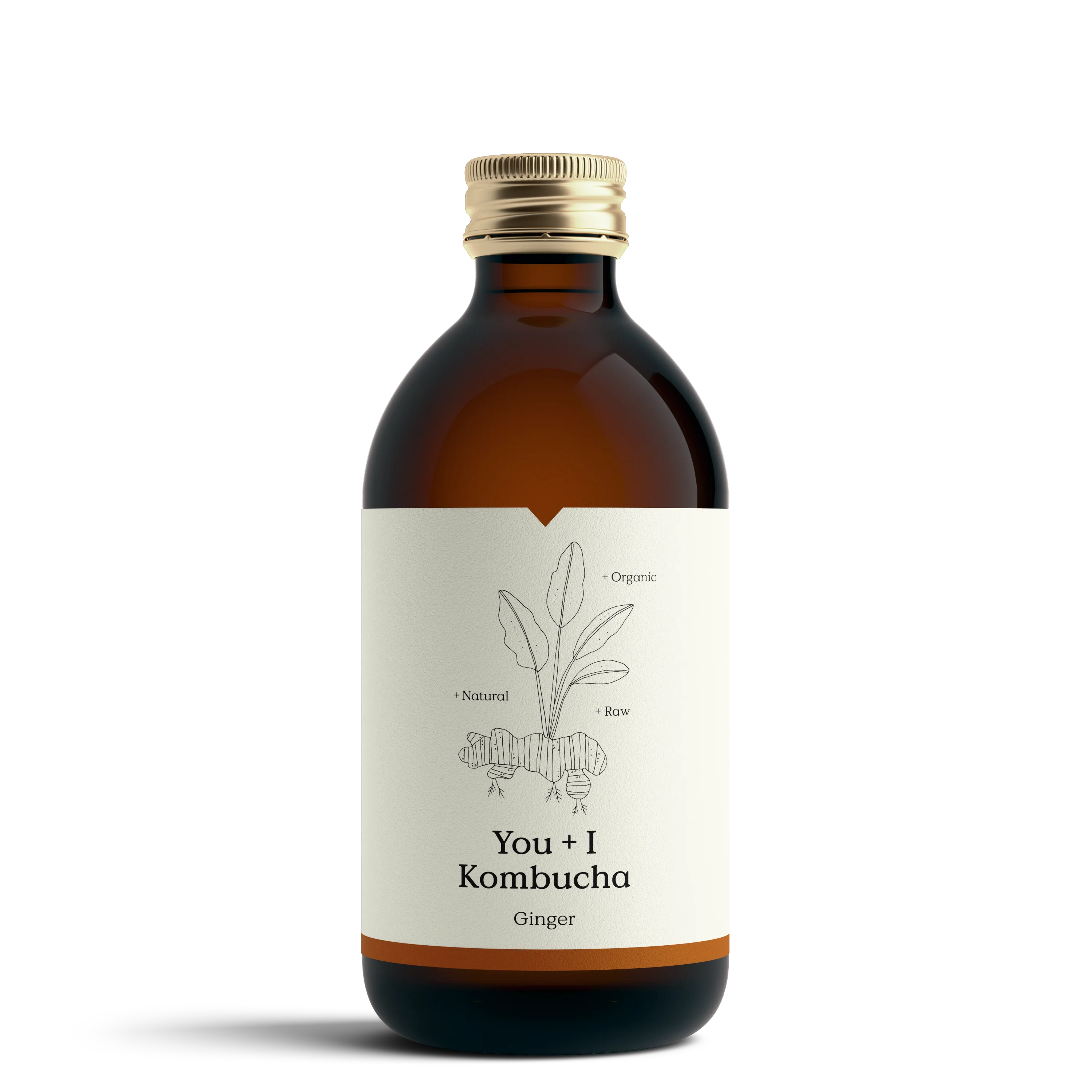
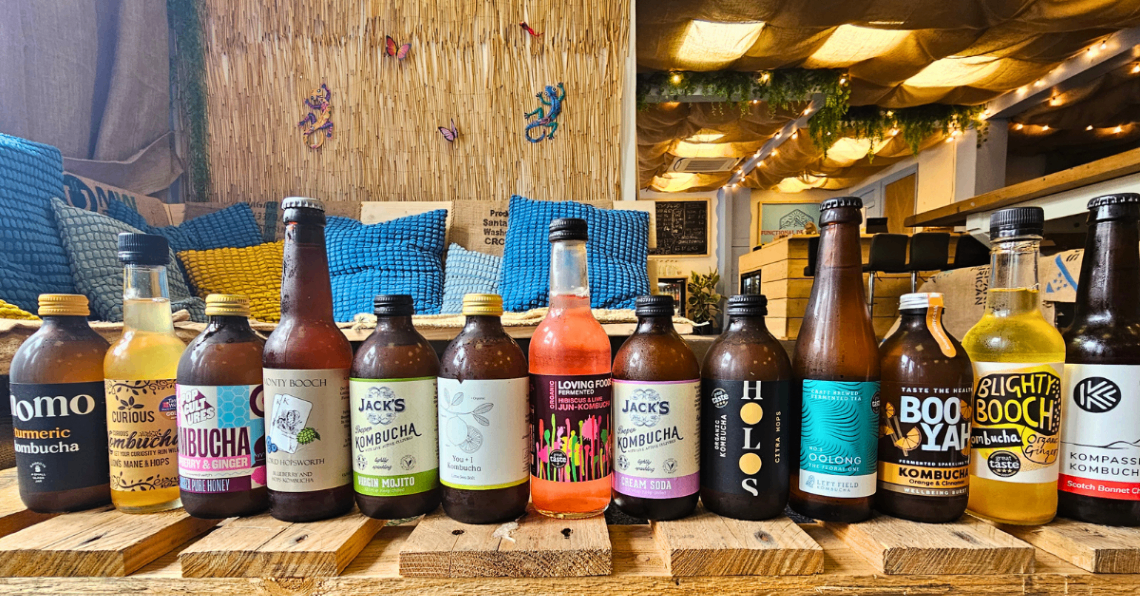
Brands like MOMO, Blighty Booch, and You + I are doing incredible things with live fermentation. Real drinks, real cultures, real benefits.
If you're new to the whole kombucha thing and have questions, we've put together a handy FAQ that covers the basics.
The Bottom Line
Your gut is doing way more than digesting your lunch. It's influencing your sleep, your mood, and your immune system in ways that science is only just beginning to understand properly.
The good news? You don't need expensive supplements or complicated protocols. You need real food, fermented drinks, and a bit of consistency.
Start small. Swap one sugary drink for a kombucha. Add some EVOO to your evening meal. Pay attention to how you feel.
Your gut will thank you. And so will the rest of you.
See you next week for more gut health news.
Sources:
- Microbiome Journal: Metabolites and Sleep Regulation 2026
- Nature Neuroscience: Psychobiotics and Serotonin Synthesis Pathways
- BMJ Gut: Polyphenols and the Intestinal Barrier


