

Does Kombucha Help with IBS? The Science Behind the Bubbles
Kevin GillespieIf you have ever had to plan your entire day around the nearest toilet, you are not alone. Irritable Bowel Syndrome (IBS) is one of those conditions that people do not like to talk about at dinner parties, but it affects millions of us.
For those of us 40+, it often feels like our digestive system has suddenly decided to go on strike. Things that we used to eat without a second thought now cause bloating, cramping, or unpredictable trips to the bathroom.
It is frustrating and, let’s be honest, a bit exhausting. This is why so many people are turning to functional drinks to see if they can find some relief.
One of the biggest questions we get asked at Functional Drinks Club is whether kombucha can actually help with IBS. The answer is not just a simple yes or no, it is rooted in some very interesting new science.
The Gut Microbiome and the 40+ Shift
Our gut is home to trillions of bacteria, often called the microbiome. When this system is in balance, we feel great. When it is out of whack, which is known as dysbiosis, we experience the classic symptoms of IBS.
As we move into our 40s and beyond, our gut diversity naturally starts to shift. Changes in hormones, stress levels, and even the natural ageing process can make our digestive systems more sensitive.
Kombucha is a fermented tea that has been around for thousands of years, but only recently has modern science started to catch up with what ancient cultures already knew. It is packed with living cultures, organic acids, and antioxidants that specifically target the environment of the gut.
The Power of Probiotics and Bifidobacterium
The primary reason kombucha is linked to IBS relief is its probiotic content. During the fermentation process, the SCOBY (Symbiotic Culture of Bacteria and Yeast) consumes sugar and tea to create a wealth of beneficial microbes.
Recent research from 2024 and 2025 has shed new light on how these probiotics interact with the human gut. Specifically, studies have shown that regular consumption of high quality kombucha can significantly increase levels of beneficial bacteria like Bifidobacterium. This is a big deal for IBS sufferers.
Bifidobacterium is often lower in people with digestive disorders. By boosting these levels, kombucha helps to crowd out the less helpful bacteria that cause gas and discomfort.
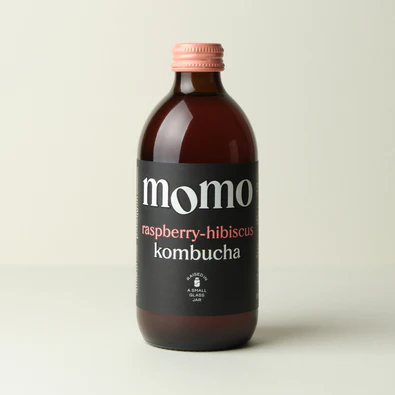
When you drink a well crafted kombucha like Momo Kombucha, you are essentially sending in a reinforcement team to help your resident "good guys" regain control. This creates a more stable environment, which can lead to less "reactive" digestion after meals.

The Role of Organic Acids
It is not just about the probiotics, though. Kombucha is rich in organic acids, including acetic, lactic, gluconic, and glucuronic acids. These acids perform a dual role.
First, they help to create a slightly acidic environment in the gut that is hostile to "bad" bacteria like E. coli or various pathogens that can trigger IBS flare ups.
Secondly, these organic acids support the gut lining. For many people 40+, a "leaky" or sensitive gut lining is a major contributor to inflammation. The gluconic acid found in fermented teas like Blighty Booch has been shown to have antimicrobial properties that specifically target the bacteria that shouldn't be there, while leaving the helpful ones alone.
What the Clinical Research Says
While much of the evidence for kombucha was anecdotal for years, we are seeing more human clinical trials emerging. One pilot study specifically looked at patients with constipation-predominant IBS. The participants drank about 220ml of a specialised kombucha daily for ten days.
The results were impressive. Stool frequency increased significantly, moving from an average of 0.60 times per day to 0.85 times per day. Even more importantly for comfort, stool consistency improved on the Bristol Stool Scale.
The participants also reported a decrease in the sensation of incomplete bowel emptying. For anyone who has struggled with the "heavy" feeling of IBS-C, these small statistical shifts represent a massive improvement in daily quality of life.

Enzymes and Better Nutrient Absorption
Another way kombucha helps those with IBS is through digestive enzymes. During fermentation, the yeast and bacteria produce hydrolytic enzymes. These enzymes help to break down the food you eat more efficiently.
If you find that certain foods seem to "sit" in your stomach or lead to immediate bloating, it might be that your body is struggling to break down complex carbohydrates or proteins. By having a small glass of kombucha with a meal, you are providing your body with extra tools to process that food. This reduces the amount of undigested food reaching the lower intestine, where it usually becomes fuel for gas-producing bacteria.
Is All Kombucha Created Equal?
If you are looking for IBS relief, the type of kombucha you choose matters immensely. Many mass produced versions found in supermarkets are pasteurised to make them shelf stable.
Pasteurisation kills the living bacteria, which defeats the purpose if you are looking for probiotic benefits. Others are loaded with extra sugar or artificial sweeteners to make them taste like fizzy pop. Artificial sweeteners, in particular, are a well known trigger for IBS symptoms and can cause more bloating.
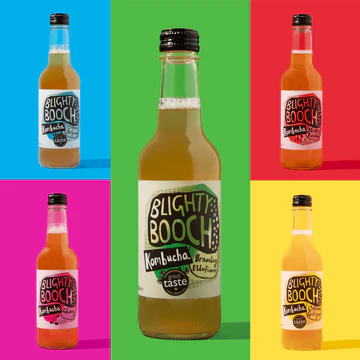
At Functional Drinks Club, we focus on independent UK makers who use traditional methods. Brands like Momo Kombucha brew in small glass jars, ensuring the cultures remain vibrant and active. Similarly, Blighty Booch Kombucha focuses on organic ingredients and traditional fermentation times, which allows the full spectrum of organic acids to develop.
How to Introduce Kombucha if You Have IBS
If you are 40+ and your gut is sensitive, the "low and slow" approach is always best. Because kombucha is a potent fermented food, introducing too much too quickly can actually cause a bit of temporary bloating as your internal bacteria rebalance.
- Start with 100ml a day. This is about half a small glass. Do this for three or four days to see how your system reacts.
- Monitor your symptoms. Most people find that their bloating starts to subside after the first week of consistent use.
- Drink it with or after a meal. This helps the probiotics survive the journey through your stomach acid and allows the enzymes to help with digestion.
- Stick with the real stuff. Avoid any "kombucha" that does not require refrigeration, as it likely lacks the live cultures you need. If you want to explore the best of the UK craft scene, our Discovery Box is the perfect way to find a flavour and style that suits your palate.
The Verdict on Kombucha and IBS
While kombucha is not a "cure" for IBS, the science clearly shows it can be a powerful tool in your management kit. By increasing Bifidobacterium, providing essential organic acids, and aiding digestion with enzymes, it addresses many of the underlying causes of digestive discomfort.
For those of us in our 40s and beyond, maintaining gut health is the new high performance. It is about feeling light, having consistent energy, and not being afraid of what might happen after lunch.
If you want to learn more about how fermentation works, check out our Kombucha FAQ or pop into our shop.
Choosing to swap a sugary soda or an alcoholic drink for a living, fermented alternative like kombucha is one of the easiest wins you can give your gut. It turns out that the secret to better digestive health might just be found in the bubbles.
Whether you are dealing with chronic inflammation or just want to get your digestion back on track, experimenting with high quality, small batch kombucha is a delicious place to start.
Your gut will thank you for it.


